
When craftsmanship gives hope

A workshop for wooden wheelchairs in Lviv

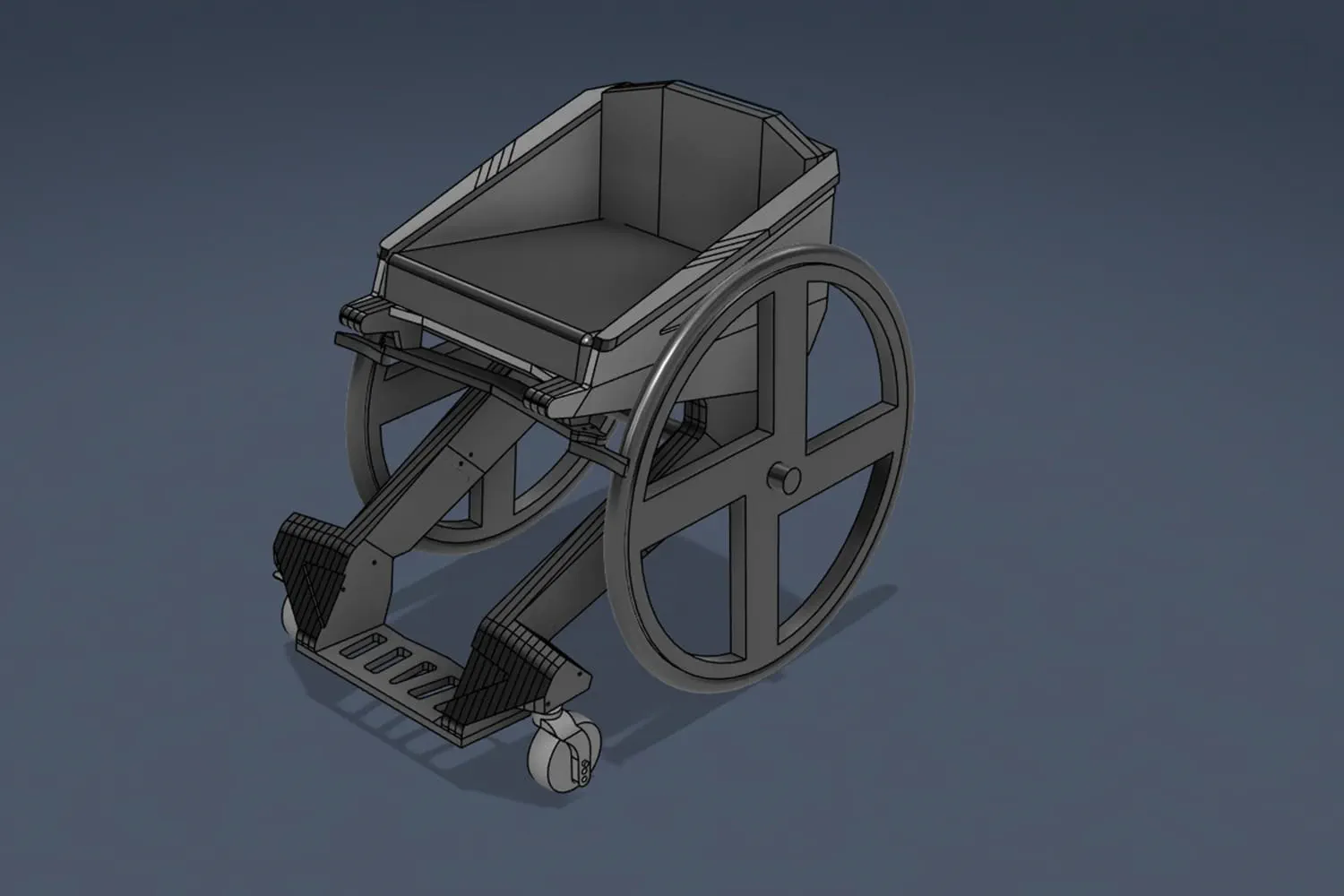
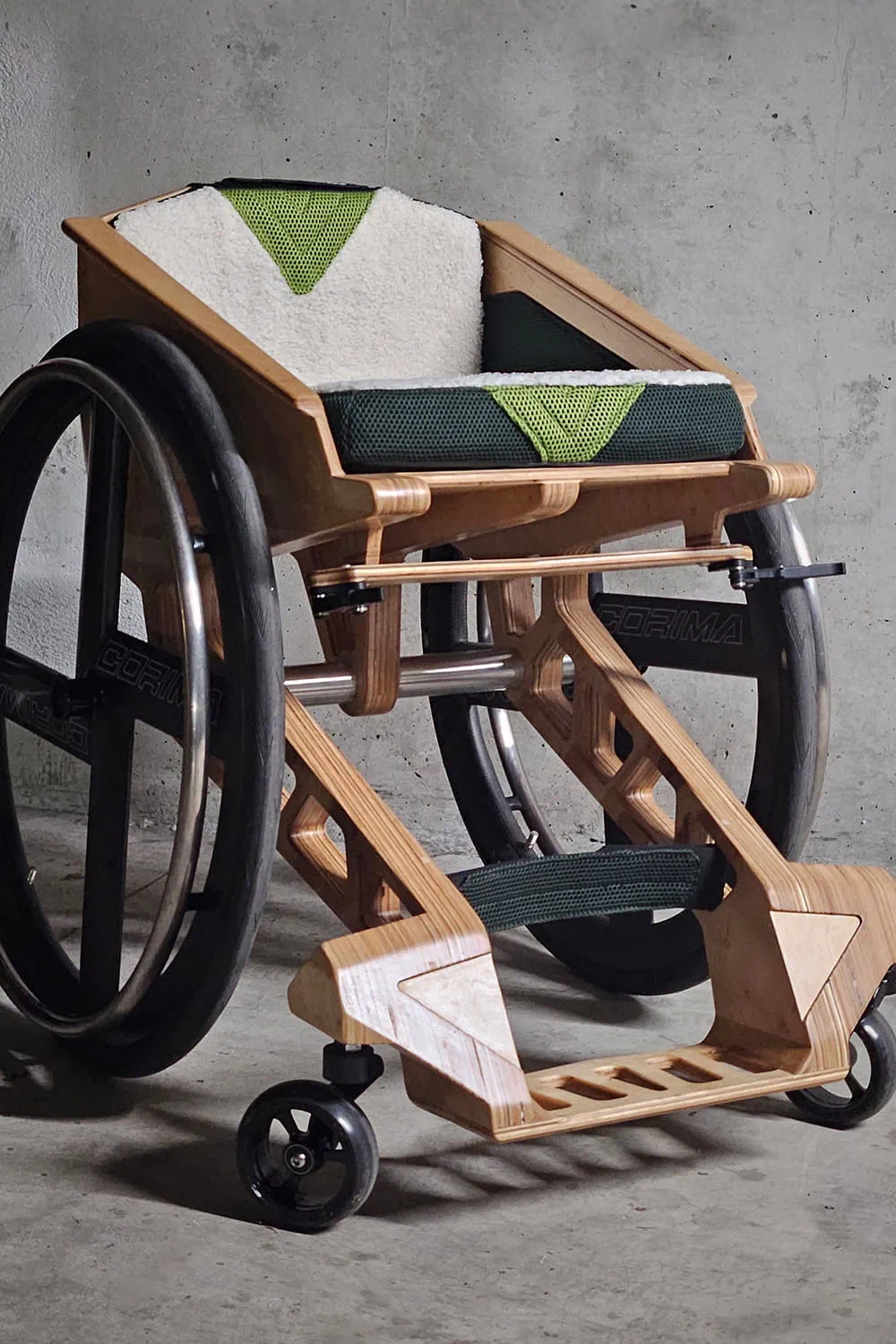
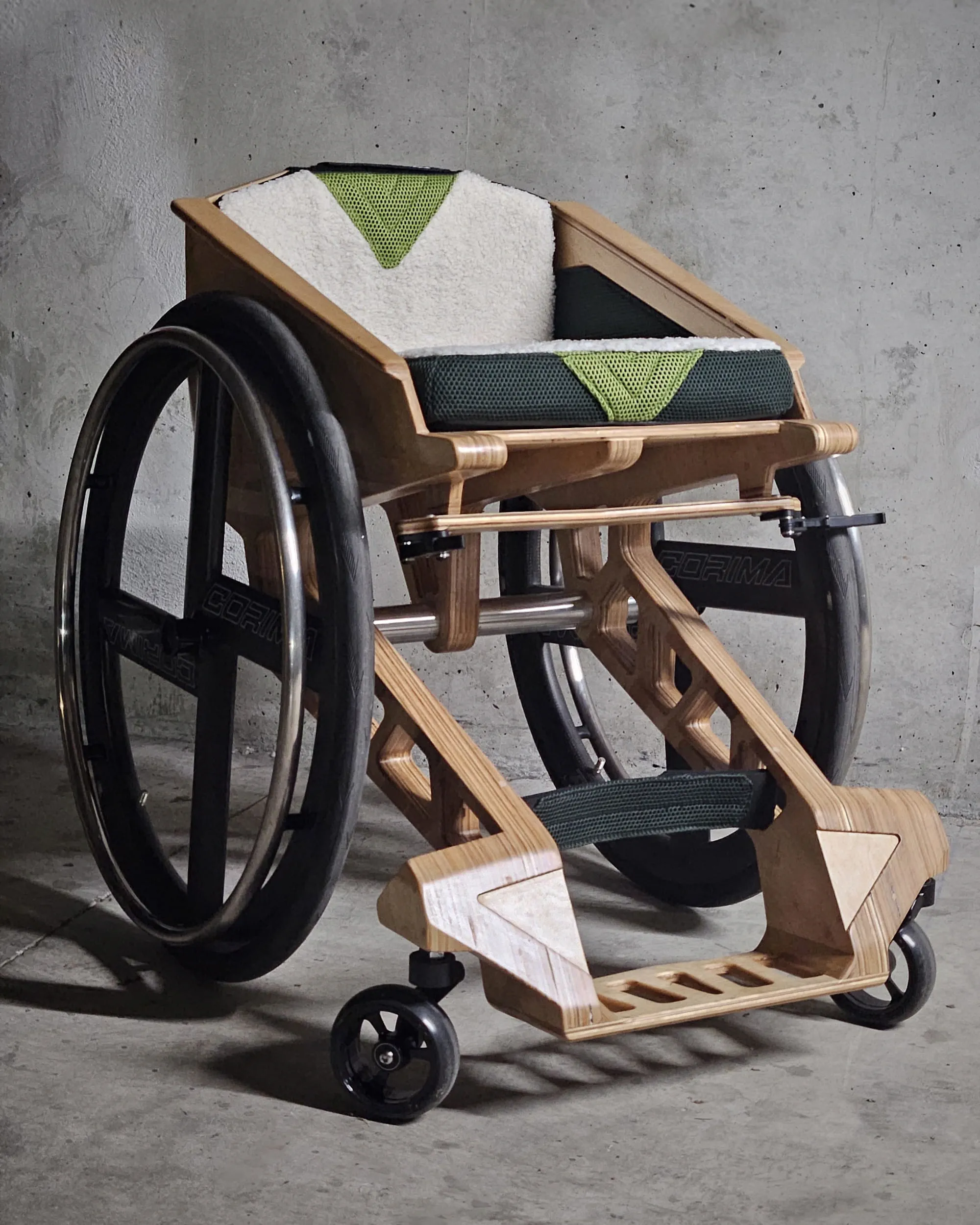
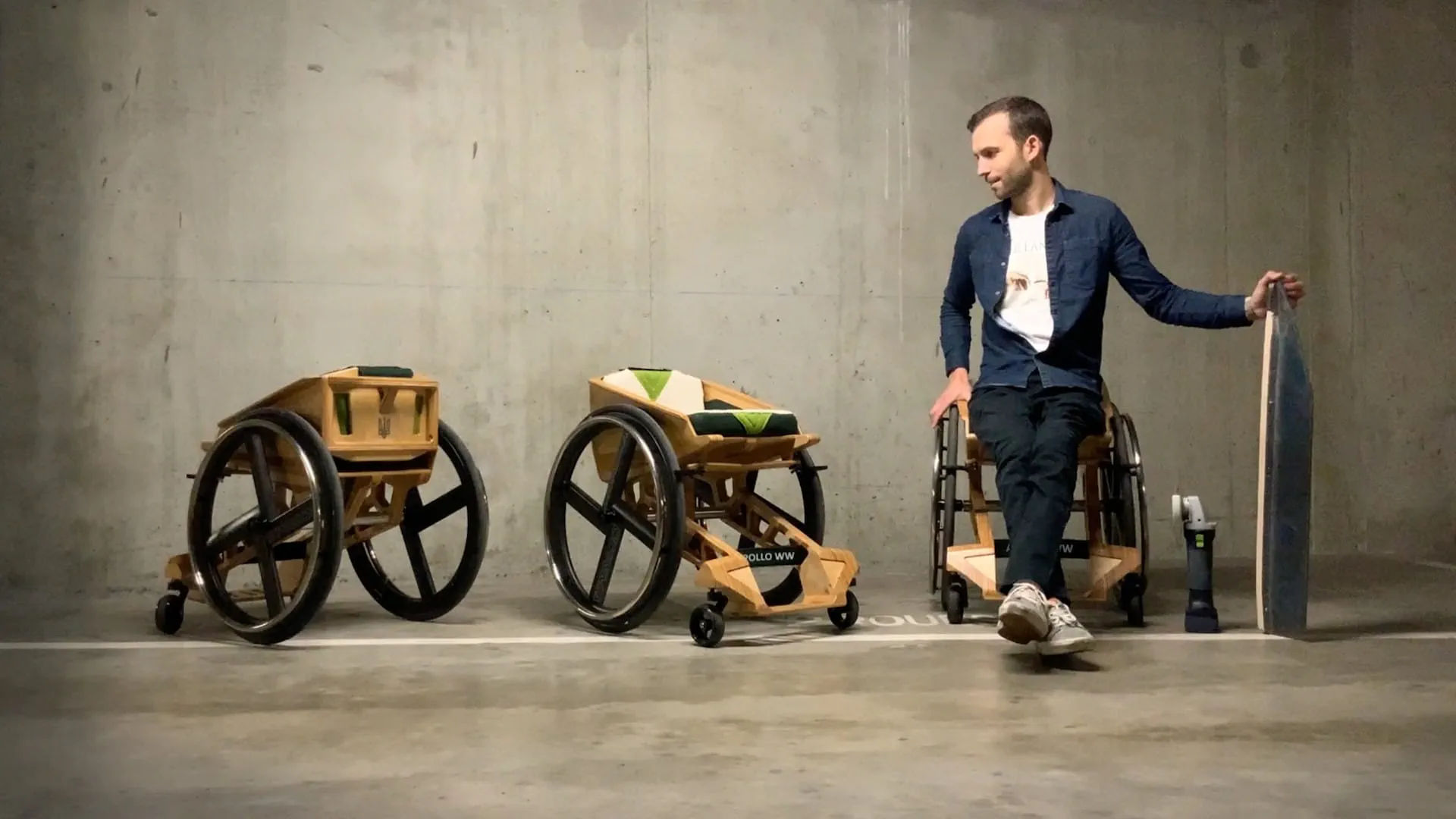
A wooden wheelchair - built by the people who need it themselves. What sounds unusual at first becomes a reality for six veterans in Ukraine.
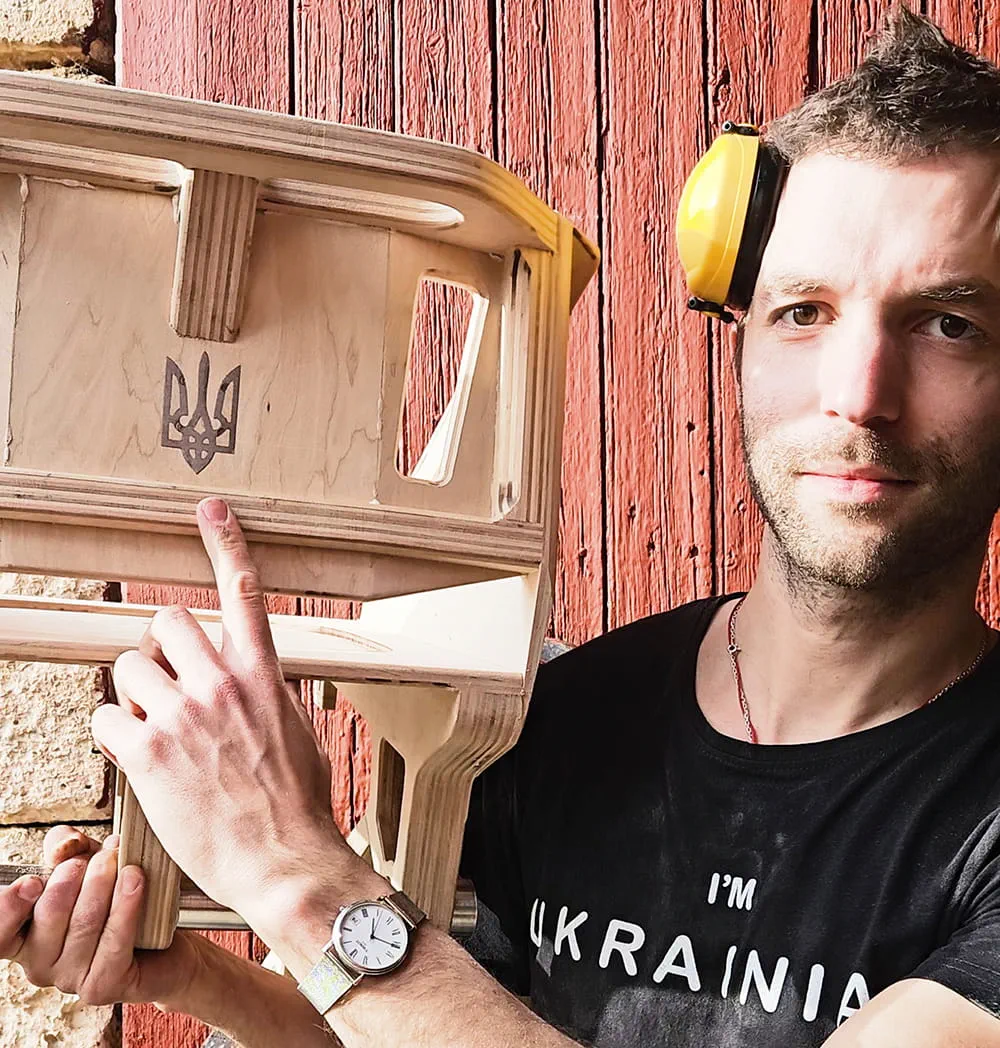
The man behind this project is Frenchman Paul de Livron, who wanted to use his own experience to open up new perspectives for people with serious injuries. A few months ago, he visited the Unbroken Center in Lviv - a large rehabilitation centre for people with serious injuries. It is the place where this great project began.

A small workshop with a big impact

Step by step, the original idea develops into a concrete project. After several months of preparation, Paul finally began to realise his project.

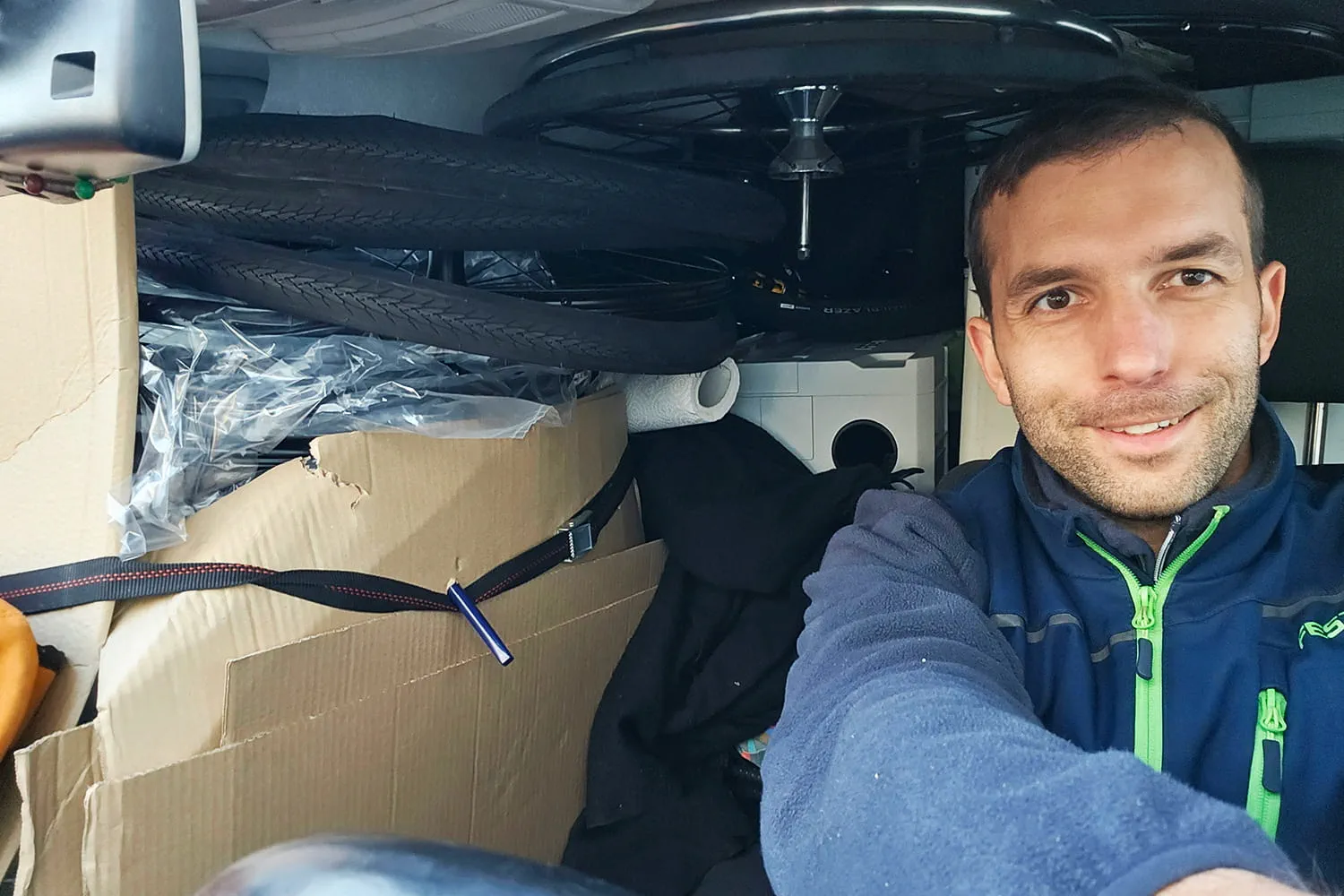
At the Unbroken Centre, the rehabilitation centre provided a small room in the basement of a building - around 25 square metres in size, but enough to set up a functioning workshop. Paul brings the necessary equipment from France and sets up the room so that the participants can work there safely and comfortably. The first small programme soon begins: six participants meet regularly to work together on their own wheelchairs. Over a period of almost five weeks, the group comes to the workshop five days a week for around three hours at a time.

Step by step, customised wheelchairs are created from wooden panels and individual components. But the aim of the project is more than just a finished aid. The work in the workshop is also intended to give the participants structure in their everyday lives, new motivation and a clear goal.

Precise work with Festool tools

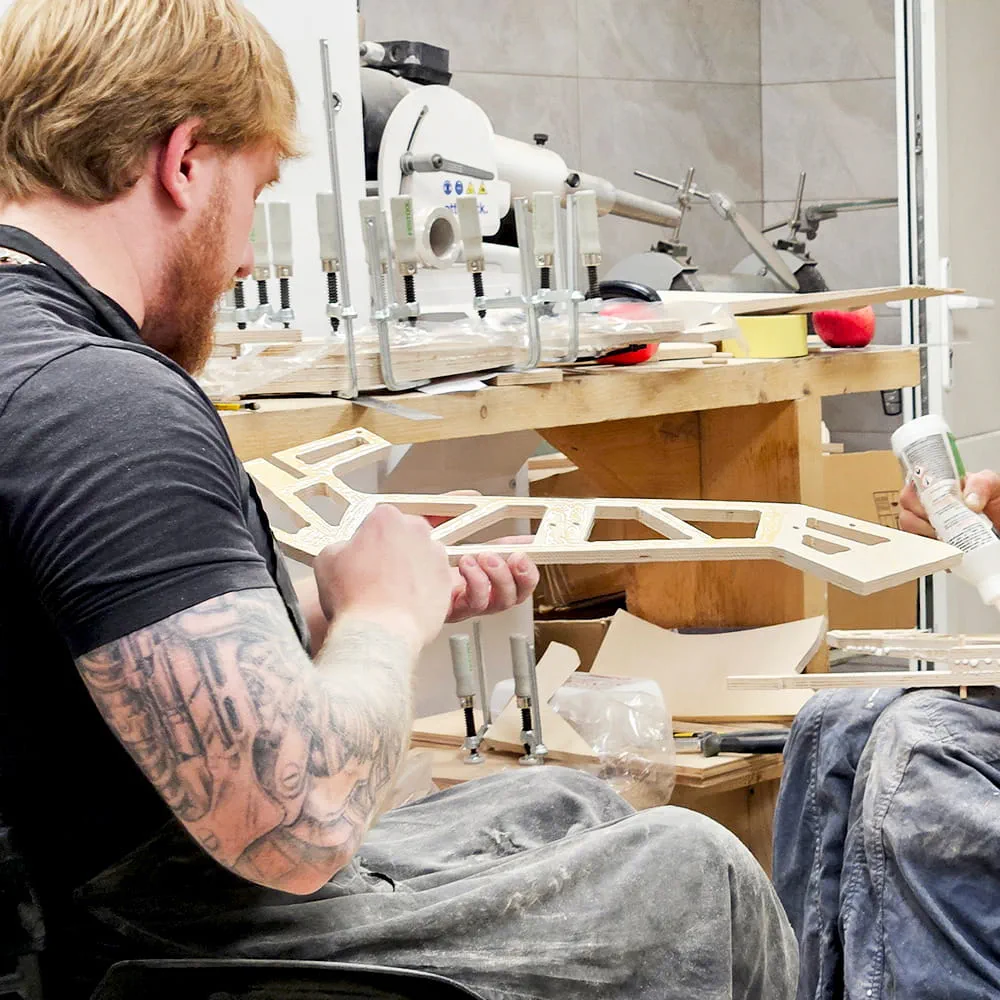
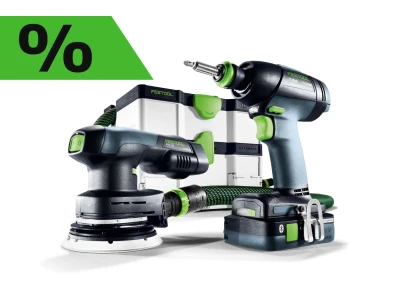
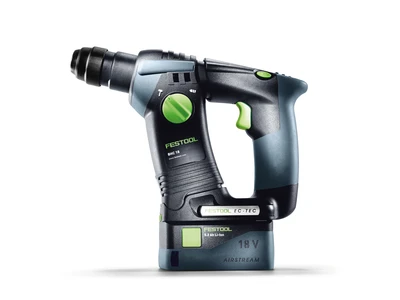
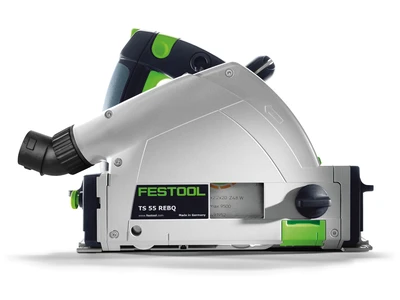
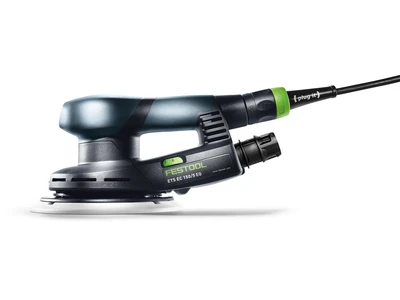
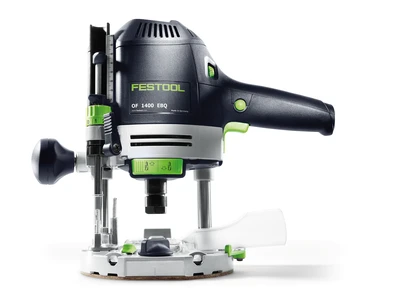
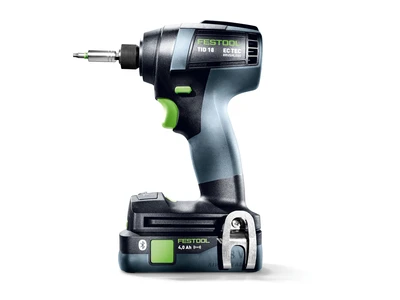
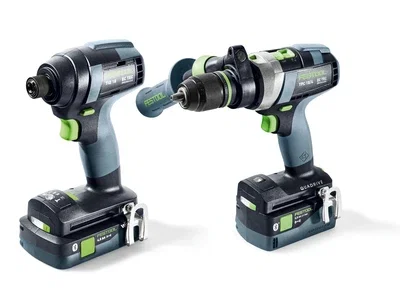
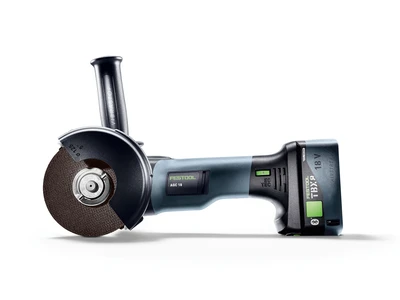
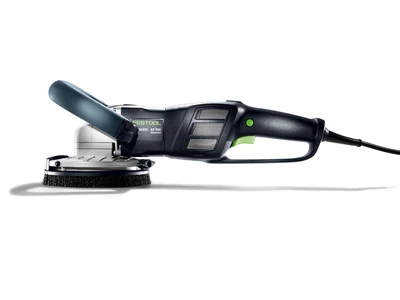
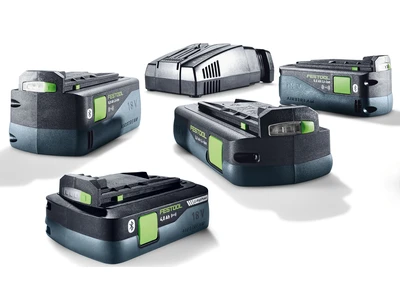
The required equipment was provided by Festool and brought to Lviv by Paul himself. Various power tools are used in the workshop, including a C 18 Cordless drill, an HKC 55 Cordless circular saw and an ETS 125 Eccentric sander. They help to precisely process the individual components and assemble the wheelchairs step by step. Many of the components were made from 12 mm thick plywood panels. Once the parts have been cut out, they are carefully positioned and fixed in place with Festool clamps before being permanently assembled. A clean working environment also plays an important role: the tools are connected to a CT 15 Mobile dust extractor, while a SYS-AIR M Air purifier filters fine dust particles from the air.

This equipment was particularly helpful for Paul because the tools are easy to handle and enable precise work - an important factor for people who work under special physical conditions and restrictions.

The path to a personal wheelchair

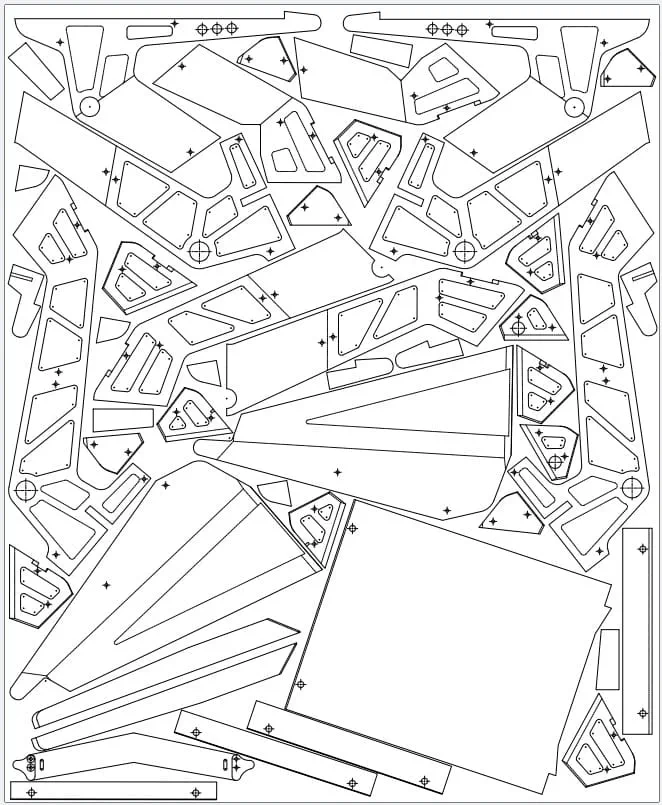
Each wheelchair is individually adapted, making every piece unique and handcrafted. First, Paul uses CAD software to design a plan for each participant, tailored precisely to body measurements such as hip width, center of gravity, and backrest height.

The plans are printed at a 1:1 scale. The participants then cut out the individual components from the paper templates and attach them with double-sided tape to 12 mm plywood panels produced in a Ukrainian factory. Based on these templates, the wooden parts are cut out using a scroll saw. This machine operates slowly and with great control – a key advantage when cutting tight curves cleanly and precisely. Working with the scroll saw requires a high level of concentration and helps participants fully focus on the task, allowing them to momentarily distance themselves from difficult and stressful thoughts. Once all parts are completed, they are assembled and sanded in several stages. Using the ETS 125 random orbital sander, the wooden surfaces receive their final shape and a clean finish.

The first completed wheelchairs are a special moment for the participants – their pride in their own work is clearly visible.

A moment to remember

One story in particular stays with Paul – that of a participant named Ivan, who is about the same age as him. Ivan previously works as a miner in eastern Ukraine. In 2023, he suffers a severe spinal injury during an attacka drone strike that hit his home. Since then, he relies on a wheelchair and comes to the Unbroken Center in Lviv for rehabilitation, more than a thousand kilometers from his home.

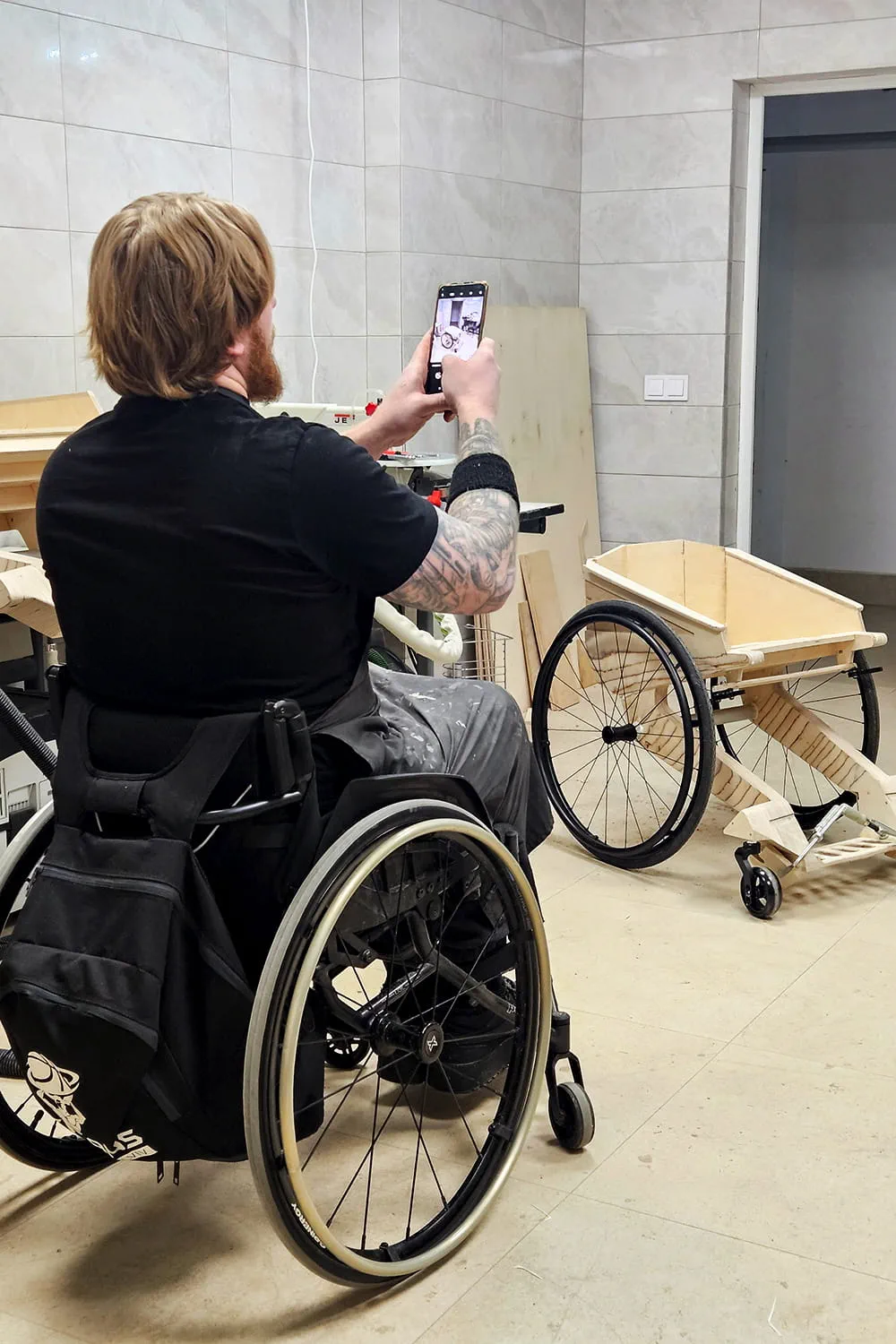
The workshop quickly becomes an important part of his daily life. In addition to the workshop sessions, Ivan also trains with the wheelchair basketball team “Lviv Titans.” After five weeks, when Ivan finishes his wheelchair, he immediately picks up his phone and starts taking photos of it from every angle. He then sends the pictures to his friends and family.

For Paul, this is a deeply moving moment: “In that moment, I realize how proud he is of what he has created.”

A project that lives on

The fledgling project quickly developed into a great success.

The workshop at the Unbroken Centre in Lviv will remain open so that the initiative can continue. The equipment provided will also continue to be used on site. A participant named Andriy, who has already completed his wheelchair, is to take over the supervision of the workshop in future and support new participants. In the long term, former participants could also pass on their knowledge and thus support other people.

What began as a small experiment in a room in the basement has developed into a project with a big impact. The workshop shows that manual labour can be more than just a technical process: it can restore self-confidence, teach new skills - and help people to believe in themselves again.

The next goal: The Paris Marathon 2026

The collaboration eventually leads to another idea. At the Paris Marathon 2025, Paul himself takes part in one of his wooden wheelchairs and is surprised by the level of interest it generates. He now plans to take part in the Paris Marathon in April 2026 together with the first six participants from his workshop. Over the weeks, they become a close-knit team. Each participant decides which wheelchair to use – their self-built wooden model or a conventional one. The goal is to complete the 42 kilometers together and support one another along the way.

Paul himself runs the marathon in his latest wooden wheelchair model. With this initiative, the group aims to raise awareness for people who have to rebuild their lives after severe injuries.