

Bringing History back to Sea

Meet Jani Vahto

Craftspeople describe a sense of responsibility to build their projects durable and as long lasting as possible. But no matter how skilled you are, in the end, time always takes its toll on everything. And when it does, the world needs people like Finnish restorer Jani Vahto to notice and appreciate all the effort of previous craftspeople and take on their projects. In the following interview Jani tells us about his biggest project to date, the restoration of the 1921 saloon boat Bonito, and the mindset behind his work.

Dear Jani, would you take us with you on your journey from planning a project to the first shakedown cruise after the restoration? What does each step involve and what are the respective priorities?

For sure! We have lots of different types of projects, but my biggest challenge this far has been the restoration of Saloon Boat Bonito from 1921. The planning of this project started, long before I was born, when my father tried to buy the boat for the first time. Unsuccessfully! Then the boat disappeared in the early 1990s. My father would bring the boat up in numerous dinner table discussions: "There is this boat called Bonito and one day we will find it and restore it." Surprisingly, we found the boat in 2008 by coincidence when an elderly lady came to the warehouse where my father kept some other wooden boats. She said "Oh, you have old wooden boats? We also have an old wooden boat outside and it's quite ready for the midsummer bonfire". My father asked if the boat had a name and she answered: "Yes, it's called Bonito!". My father almost fainted when he realized it's the same Bonito.
We were then allowed to save the boat and brought it to our warehouse and started wondering how to bring the boat back to life. So, I learned how to research these old boats. How to track down previous owners and how to find funding for such a project. All in all: how to run the project in general. At some point during the process I realized I was more and more interested in learning how to physically restore these boats myself. It has been a huge team effort together with my father, the boatbuilders, upholsterer, electrician, metalworkers, many volunteers and myself. Now we are at the finish line. The process has been very hard but also very rewarding. It has given me so much from joyful moments to lots of tears and at least two burnouts. I am passionate, very patient and a little bit crazy. I trust in my dreams and I hope this project will be an inspiration for people doubting if they should follow their dreams or to settle on something safer.

In other interviews, you described that your father's passion for boats and craftmanship ignited your own. What has kept you on that path down the road?

My father is a great craftsman and a huge inspiration to me and I kind of wanted to learn that same craft too. So, I started from the finish jobs. I learned how to sand and how to varnish. And I think I got pretty good with it. Then I got interested in the woodworking itself. I went to boatbuilding school but shortly after I started, I developed psoriatic arthritis which affected the joints of my fingers very badly. I had to quit school and was pretty sure I would never be able to do this kind of physical job. It took me around 6 months to get diagnosed and a few more months to find the right medication. At some point, I realized I could start pursuing my re-ignited passion for woodworking again. I also have a huge passion for bringing back cultural history that once was a big part of our country's and area's history.

"If I can bring back even one boat that was a common sight in our Archipelago 100 years ago, then I'm happy."

Jani Vato, boat restorer in Finland

What do you think is essential for good craftsmanship?

I think it's essential to learn from as many people as you can and to listen to those who have been in the craft for a very long time. I'm always asking all the professionals how they do specific stuff. For example, in varnishing there are so many different methods and I love to hear all of them. I'm always very humble when there's someone with time to teach me. Then I can find some middle path and choose my favorite way of doing it.

Which tools do you use most often?

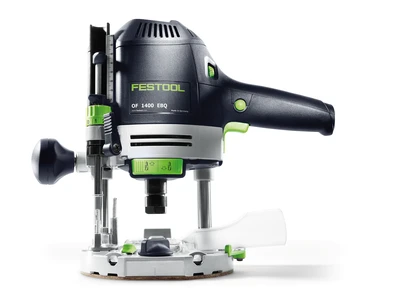
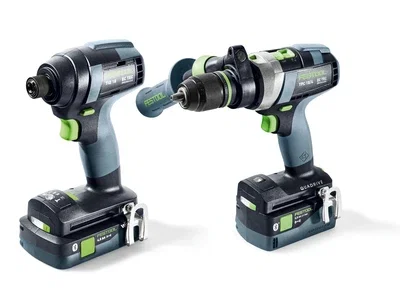
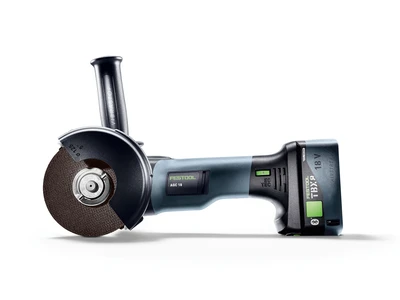
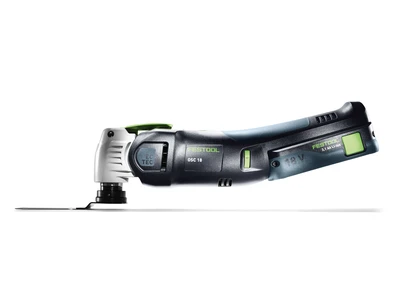
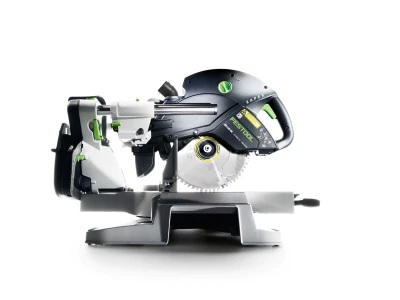
When it comes to Festool I've been doing lots of cool stuff with the OF 1400 router lately. The Kapex 120 and the CSC SYS 50 table saw are also used frequently. I absolutely fell in love with the table saw the moment I got it. Outside of Festool tools I can be found quite often holding a varnish brush.

How do your tools add value to your workflow? What do you expect from your tools?

As I'm learning woodworking, project by project and tool by tool, I've really found that the quality of tools and the ability to do precise measurements easily make a huge difference. It helps the learning process by making it fun! And the result is always amazing (even when I make mistakes). I expect great durability and that the tools stay in tune when I need to do precise work.

Do you have a signature detail on your projects?

As we are mostly working with restoration work it's kind of prohibited to do any specific signature on old wood. But I feel like my signature detail is the attention to detail itself. I want to highlight those details that many modern boats lack and help people to notice them.

Is there a boat you dream of working on?

I have a collection of boats waiting to be brought back to life. But I also have a dream of finding this big and legendary motor yacht called Paragon, which was built in 1921 here in my hometown but disappeared early by the end of the 1920s. If I can't track it down to restore it, I would love to build a replica of it one day. When I go to the sea with an antique boat, I find myself traveling back in time mentally. That's the closest I have gotten to real time travel.

How much influence do tradition and your hometown have on you and your work?

A huge amount. Most of our projects were built originally in my hometown Turku, which is a maritime city. We had the biggest Nordic boatbuilding company (Åbo Båtvarf) from 1889 to 1954. They built over 5000 boats during the year. I feel like it's my obligation to be able to save and bring back as many boats as I can. Whether the boat is in my possession or owned by someone else. We will always be happy to help others and to motivate them to restore their boats.

What do you wish for your followers to notice in your content?

I started my account to share my passion and create my version of art from it. Now I want to inspire people to work with their hands, to restore our combined cultural history of boatbuilding worldwide and to create some interest for people around the world for Finnish boatbuilding history and our beautiful Archipelago.

Which part of your work do you enjoy the most?

Learning new things, meeting interesting people, inspiring others and taking care of history. Working with Festool has been an amazing part of my journey. Fun, reliable tools mean fun work.